
January 15, 2026
AI-Era Threats: What Security Teams Need to Know
New attack vectors emerging from AI adoption and how to defend against them.
AI-powered cybersecurity solutions
Insights and knowledge
Learn more about AUM Labs
Schedule a consultation or explore our open source projects.
Cybersecurity in a Box
AI Security Architecture Program. Your complete AI integration blueprint
On-premise hardware with local LLMs and AI security agents
AI provider selection and local LLM deployment
Framework for adapting to AI-era vulnerabilities
Testing, hardening, and governance
Security solutions for your sector
HIPAA compliance, patient data protection, medical IoT security
PCI-DSS, SOX compliance, transaction security
OT/ICS security, supply chain protection
Cloud security, DevSecOps, application security
NIST, FedRAMP, CMMC compliance
Connected vehicle, CAN bus, and OTA update security
Satellite systems, avionics, ground station security
Power grids, oil and gas, SCADA/ICS, NERC CIP
5G infrastructure, core networks, subscriber data
Student data, research IP, campus network security
Clinical trial data, drug formulations, FDA compliance
Fleet management, port systems, supply chain security
PCI compliance, customer data, web app security
Tenant isolation, firmware security, GPU infrastructure
Security platforms
Tools and MCP servers
Bug bounty recon pipeline
AI-powered security knowledge graph
Browser-based security testing
Cloud security auditing
GitHub security analysis
CVE vulnerability intelligence
Open source intelligence server
Loudoun County hosts the world's largest data center corridor. Here's why traditional security approaches fall short and how AI agents are filling the gap.
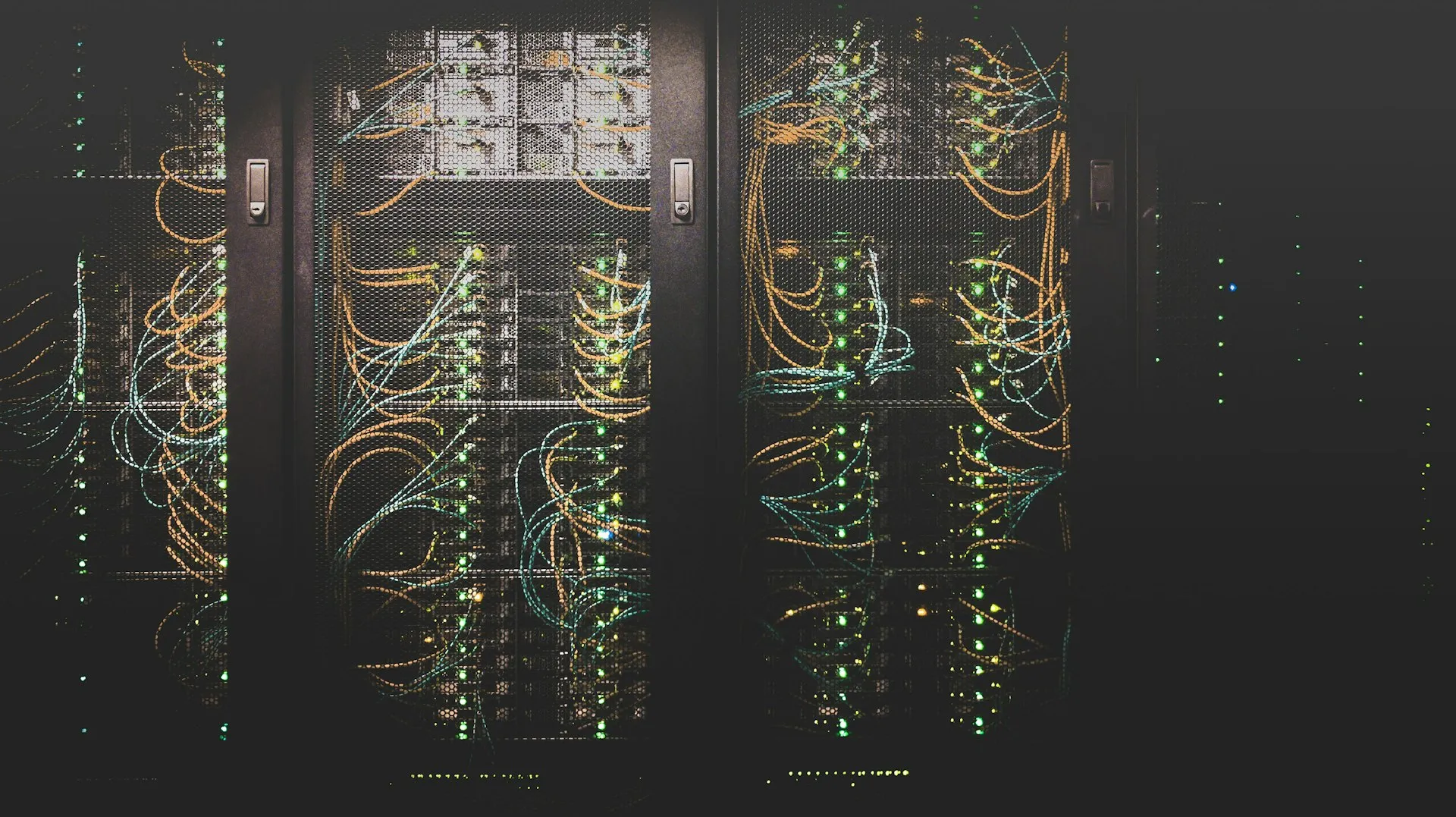
Loudoun County hosts the world's largest data center corridor. Here's why traditional security approaches fall short and how AI agents are filling the gap.
Loudoun County, Virginia processes more than 70% of the world’s internet traffic. The Ashburn data center corridor is home to facilities operated by the biggest names in cloud infrastructure, along with hundreds of smaller colocation providers and enterprise data centers.
This concentration of critical infrastructure makes Loudoun County one of the highest-value targets for cyber attackers on the planet.
Data centers in Northern Virginia face a unique set of pressures that most organizations never deal with.
Multi-tenant complexity. A single facility may host thousands of customer environments, each with different security requirements, compliance frameworks, and risk profiles. Security teams need to monitor boundaries between tenants, shared infrastructure, and management planes simultaneously.
Regulatory overlap. Loudoun County data centers serve federal agencies, defense contractors, financial institutions, and healthcare organizations. That means SOC 2, FedRAMP, HIPAA, PCI DSS, and CMMC requirements can all apply within the same building. Keeping up with each framework manually is a full-time job for multiple people.
Talent shortage. The demand for cybersecurity professionals in Northern Virginia far exceeds supply. Every data center operator, government contractor, and tech company in the region is competing for the same limited pool of security engineers. Positions go unfilled for months.
Attack surface growth. Every new rack, every new tenant, every new API endpoint expands the attack surface. Traditional security tools generate more alerts than any team can process. The result is alert fatigue, missed findings, and slow response times.
Most data center security operations rely on a combination of periodic penetration tests, vulnerability scanners, and a team of analysts who triage the results. This model worked when infrastructure was simpler and attackers were slower.
Today, the gap between what needs to be monitored and what teams can realistically cover keeps growing. Quarterly penetration tests miss vulnerabilities that appear between assessments. Scanners produce thousands of findings that take weeks to process. By the time a critical issue is prioritized, it may have been exploitable for days or weeks.
The problem is not a lack of tools. It is a lack of capacity to act on what the tools find.
AI security agents are autonomous software systems that perform security tasks continuously without human intervention. They do not replace security teams. They handle the volume and speed that humans cannot sustain.
Here is what that looks like in practice for a data center operation in Loudoun County:
Continuous testing. Instead of waiting for a quarterly pentest, AI agents scan applications, APIs, and infrastructure configurations every day. When a developer deploys a change, the agents test it. When a new tenant onboards, the agents assess the boundary controls.
Automated triage. When a vulnerability is found, the agent classifies it by severity, maps it to the relevant compliance framework, and routes it to the right person with clear remediation steps. No spreadsheets, no weekly triage meetings.
Industry-specific training. Agents are trained on the specific regulatory requirements of each tenant or business unit. A government contractor’s environment gets assessed against NIST 800-171 controls. A healthcare tenant gets assessed against HIPAA technical safeguards. The same infrastructure, different security contexts, handled automatically.
Full data sovereignty. The AI models run inside the data center’s own environment. Security findings, scan results, and remediation data never leave the network. For organizations handling CUI, ITAR, or classified-adjacent workloads, this is not a nice-to-have. It is a requirement.
Working with a cybersecurity firm that understands the Northern Virginia market matters. The regulatory landscape, the talent dynamics, the operational realities of running a data center in Ashburn or Sterling are different from running one anywhere else.
AUM Labs is based in Loudoun County and works exclusively with organizations in the region. We deploy AI security agents directly into customer environments and provide ongoing support as the infrastructure evolves.
If your data center security team is spending more time triaging alerts than fixing problems, it may be time to see what AI agents can handle for you.
We offer a free 30-minute consultation where we map your current security operations and identify where AI agents can make the biggest impact. No sales pitch, no commitment. Just a clear picture of what is possible.
Book a free consultation or learn more about our services.
Keep learning with more stories from our team.
New attack vectors emerging from AI adoption and how to defend against them.

Anthropic's unreleased Mythos model discovered thousands of zero-day vulnerabilities across major operating systems. Here's what it means for cybersecurity.
Thank you for reaching out. We'll get back to you shortly.