
January 15, 2026
AI-Era Threats: What Security Teams Need to Know
New attack vectors emerging from AI adoption and how to defend against them.
AI-powered cybersecurity solutions
Insights and knowledge
Learn more about AUM Labs
Schedule a consultation or explore our open source projects.
Cybersecurity in a Box
AI Security Architecture Program. Your complete AI integration blueprint
On-premise hardware with local LLMs and AI security agents
AI provider selection and local LLM deployment
Framework for adapting to AI-era vulnerabilities
Testing, hardening, and governance
Security solutions for your sector
HIPAA compliance, patient data protection, medical IoT security
PCI-DSS, SOX compliance, transaction security
OT/ICS security, supply chain protection
Cloud security, DevSecOps, application security
NIST, FedRAMP, CMMC compliance
Connected vehicle, CAN bus, and OTA update security
Satellite systems, avionics, ground station security
Power grids, oil and gas, SCADA/ICS, NERC CIP
5G infrastructure, core networks, subscriber data
Student data, research IP, campus network security
Clinical trial data, drug formulations, FDA compliance
Fleet management, port systems, supply chain security
PCI compliance, customer data, web app security
Tenant isolation, firmware security, GPU infrastructure
Security platforms
Tools and MCP servers
Bug bounty recon pipeline
AI-powered security knowledge graph
Browser-based security testing
Cloud security auditing
GitHub security analysis
CVE vulnerability intelligence
Open source intelligence server
Security operations centers in Northern Virginia are drowning in alerts. AI-powered SOC automation is how lean teams keep up without doubling their headcount.
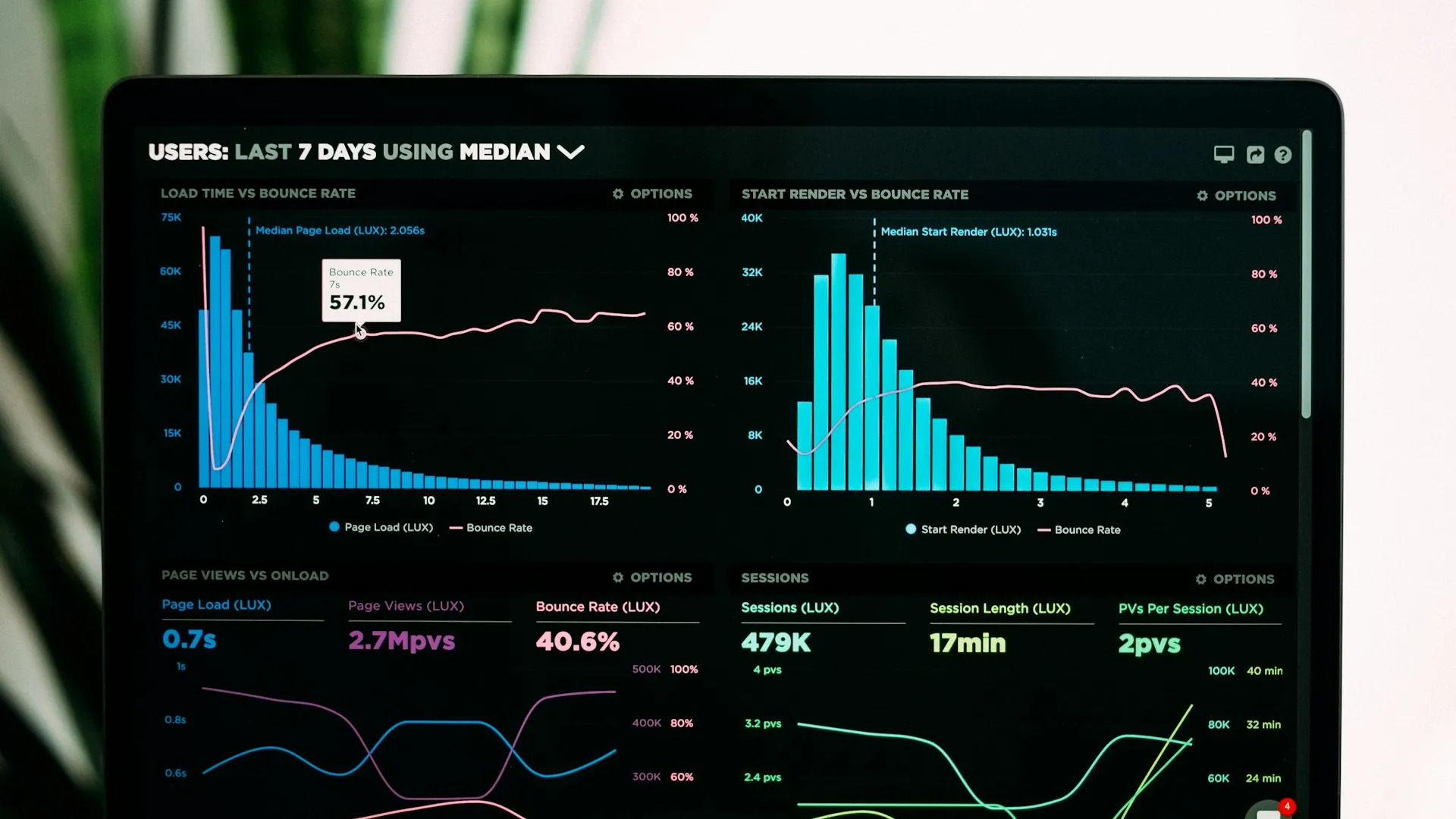
Security operations centers in Northern Virginia are drowning in alerts. AI-powered SOC automation is how lean teams keep up without doubling their headcount.
The average security operations center receives thousands of alerts per day. For organizations in Northern Virginia, where infrastructure complexity and threat actor sophistication are both above average, that number is often much higher.
A SOC analyst at a data center operator in Ashburn or a government contractor in Reston might process 300 to 500 alerts in a shift. Most are false positives. Some are duplicates. A handful require investigation. Finding the real threats in that noise is the fundamental challenge of modern security operations.
Gartner has identified alert fatigue as one of the top challenges facing security teams. When analysts see hundreds of false positives daily, they start skipping alerts. Critical findings get missed not because the tool failed to detect them, but because a human could not process the volume.
The math does not work. If each alert takes 5 minutes to investigate, and a SOC receives 1,000 alerts per day, that is 83 hours of investigation work. A 5-person SOC working 8-hour shifts has 40 hours of analyst time available. More than half the alerts go uninvestigated.
For organizations in Northern Virginia competing for security talent against Booz Allen Hamilton, Leidos, SAIC, and the intelligence community, hiring more analysts is not a realistic solution. The people are not available at any price point.
SOC automation is not about replacing analysts. It is about eliminating the repetitive work that consumes 80% of their day so they can focus on the 20% that requires human judgment.
Tier 1 automation. The first level of SOC work is alert triage. Is this alert real? Is it a duplicate? Does it match a known false positive pattern? AI agents handle this entire tier by classifying alerts, enriching them with context from threat intelligence feeds, and routing only verified findings to human analysts.
Automated investigation. When an alert is real, the next step is investigation. What system is affected? What is the scope? Is there lateral movement? AI agents collect this context automatically by querying your SIEM, EDR, network monitoring, and identity systems. By the time an analyst looks at the finding, the investigation package is already assembled.
Playbook execution. Common incident types have standard response procedures. A compromised user account gets disabled, the session gets terminated, and the manager gets notified. AI agents execute these playbooks automatically for known incident types, reducing response time from hours to seconds.
Reporting. SOC teams spend significant time creating reports for management, compliance audits, and regulatory requirements. Agents generate these reports automatically from operational data, formatted for the audience, whether that is a CISO dashboard or a CMMC auditor.
SOC automation matters more in Northern Virginia because the stakes are higher. A missed alert at a data center in Loudoun County could affect thousands of tenants. A delayed response at a defense contractor could compromise Controlled Unclassified Information. A false negative at a financial services firm in Tysons could trigger regulatory action.
The organizations that thrive in this environment are the ones that use their human talent for high-value work and let automation handle the volume. Companies like CACI in Arlington and ManTech in Herndon have invested heavily in SOC modernization for their government customers. The same approach works for any organization that runs security operations in the region.
CISA’s Continuous Diagnostics and Mitigation (CDM) program has pushed federal agencies toward automated security monitoring, and the ripple effect is reaching every contractor and vendor in the federal supply chain.
You do not need to automate your entire SOC on day one. Start with Tier 1 alert triage. Let AI agents handle classification and enrichment for one month. Measure how much analyst time it frees up. Then expand.
We deploy AI-powered SOC automation for organizations across Northern Virginia. Book a free consultation and we will analyze your current alert volume and show you where automation delivers the fastest ROI.
Keep learning with more stories from our team.
New attack vectors emerging from AI adoption and how to defend against them.

Anthropic's unreleased Mythos model discovered thousands of zero-day vulnerabilities across major operating systems. Here's what it means for cybersecurity.
Thank you for reaching out. We'll get back to you shortly.